Signs Your Door Knob Lock Needs Replacing — Not Just Servicing
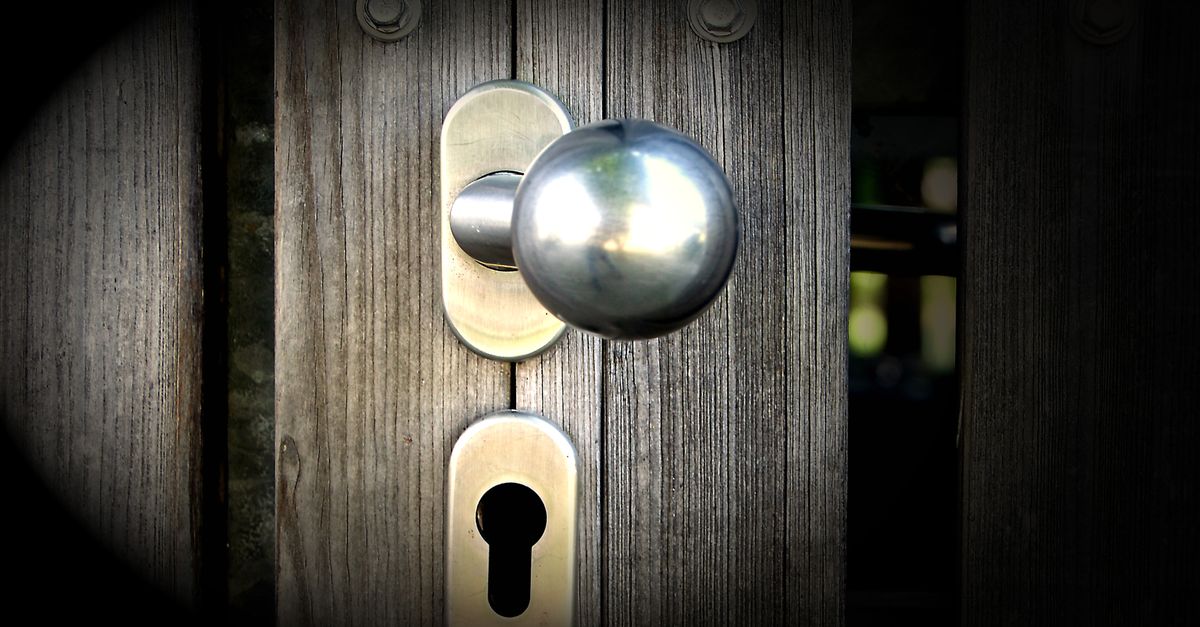
Lubrication and tightening can cure a surprising number of knob problems, but some failures signal that the lock mechanism itself is compromised beyond a reasonable fix. Key symptoms worth taking seriously: a knob that rotates without retracting the latch bolt, visible corrosion inside the keyway, a rose plate that wobbles even after the mounting screws are tightened, a privacy button that no longer pops back out, or visible score marks around the cylinder face — evidence that someone may have attempted entry by force. If you've noticed that your door knob with lock and key takes noticeably more effort to turn in winter than it did last year, that's often a sign that internal tolerances have worn beyond what cleaning alone can restore.
Entry knobs — the ones on front and back doors that require a key from the outside — carry a heavier security burden than interior privacy knobs, and they wear faster for it. Privacy models used on bedrooms and bathrooms are exposed to humidity, cleaning chemicals, and repeated use. A door knob with lock for bedroom or bathroom use that starts misbehaving may not seem urgent, but a lock that fails in the locked position turns an inconvenience into an emergency, especially with children or elderly residents in the home. Replacing the hardware before it fails completely is almost always less disruptive and less expensive than an after-hours call to free someone who's trapped.