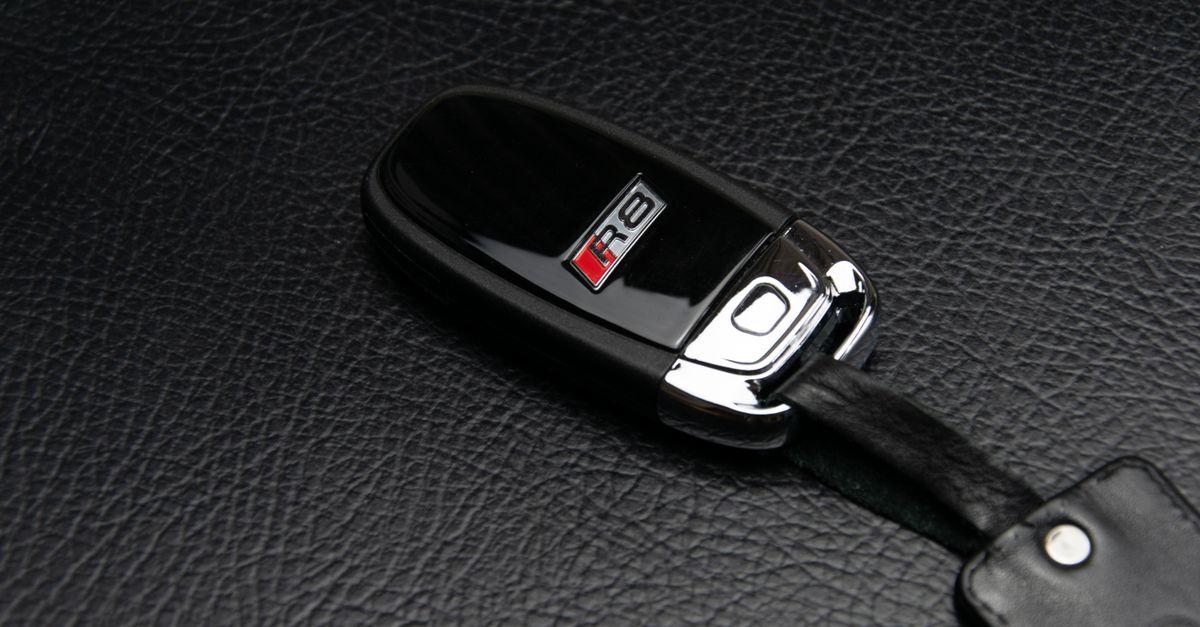
Understanding Audi Key Technology: More Than Just a Metal Blade
Modern Audi vehicles — spanning the A3, A4, A6, A7, A8, Q3, Q5, Q7, Q8, TT, and the e-tron electric line — use layered security technology that goes well beyond a simple cut key. Most models produced after the early 2000s use transponder chips embedded in the key head. When you insert the key and turn the ignition, the vehicle's immobilizer sends a radio frequency signal to the chip; if the chip doesn't respond with the correct encrypted code, the engine won't start — even if the physical cut of the key is perfect. Newer Audi models use advanced proximity smart keys (often called Audi Advanced Key or Comfort Key), which allow push-button starting and hands-free trunk access without ever removing the key from your pocket or bag.
There are essentially four key types our technicians encounter on Audi vehicles: (1) Basic transponder keys with a flip or fixed blade, (2) Remote head keys that combine the transponder and lock/unlock buttons in one unit, (3) Proximity smart keys that communicate continuously with the vehicle's receiver modules, and (4) Switchblade fobs with a retractable blade. Each type requires a different programming process, and not every key-cutting machine or programming tool supports every Audi platform — which is precisely why working with a trained, experienced mobile locksmith matters far more than a generic key shop.